


Filing Tax Fraud: Tips to Protect Yourself This Tax Season
Published: February 12, 2026
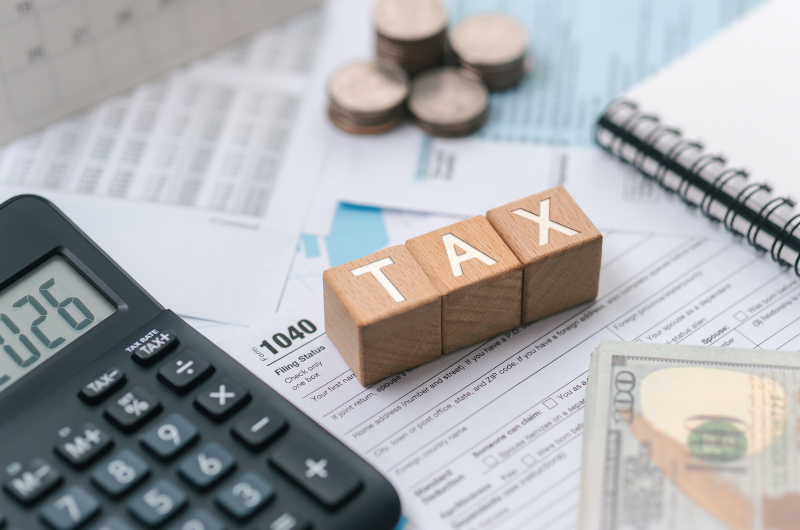
Tax season is stressful enough, confusing forms, deadlines, and that one receipt you swear you saved. The last thing you need is tax fraud threatening your refund, identity, or peace of mind.
Tax fraud occurs when scammers use your personal information—like your Social Security number—to file a fake return or steal your refund. The good news: a few smart moves can seriously lower your risk. Here’s how to stay ahead.
File Early (Yes, Earlier Than You Want To)
One of the easiest ways to beat tax fraud is to file your return as soon as you have your documents. Why? Because scammers can’t file a fake return in your name if you already did.
Think of it as calling dibs on your own refund.
Protect Your Personal Info Like It’s VIP
Your Social Security number is basically the golden ticket for tax scammers. Keep it locked down.
Do this:
- Only share sensitive info on secure, trusted websites.
- Avoid sending personal details over email or text.
- Shred old tax documents instead of tossing them.
If someone doesn’t need your information, they definitely don’t.
Watch Out for Tax Scams (They’re Getting Fancy)
Scammers love pretending to be the IRS, tax preparers, or even your employer. Red flag behavior includes:
- Urgent messages demanding immediate payment
- Threats of arrest or legal action
- Requests for gift cards, wire transfers, or crypto (major red flag)
The IRS will never contact you via text, social media, or demand payment in gift cards. Ever.
Use Strong Passwords (And Actually Change Them)
If you’re filing online, most people are—make sure your accounts are secure.
- Use unique, strong passwords.
- Enable multi-factor authentication
- Avoid using public Wi-Fi when accessing tax or financial accounts.
Yes, it’s annoying. No, getting your identity stolen is worse.
Double-Check Your Return Before Submitting
Mistakes can slow down your refund—or raise red flags.
- Verify your Social Security number.
- Confirm your income details.
- Review bank account info for direct deposit.
A quick once-over can save you weeks of headaches later.
Monitor Your Financial Accounts Regularly
Fraud doesn’t always stop at taxes. Keep an eye on:
- Bank and credit card statements
- Credit reports
- IRS notices
If something looks off, trust your gut and act fast.
Know the Warning Signs of Tax Fraud
You might be a victim of tax fraud if:
- The IRS says a return was already filed in your name.
- You receive a notice about income you didn’t earn
- Your refund is delayed without explanation.
If this happens, report it immediately through the IRS Identity Theft portal and contact your financial institution.
Get Help from Trusted Professionals
If taxes confuse you (same), work with a reputable tax professional or use trusted tax software. Free help may also be available through IRS certified programs.
Random internet advice ≠ tax guidance.
Be proactive, stay skeptical, and don’t let scammers steal your hard-earned refund. That money has plans.