

How Scammers Use Your Personal Information to Commit Fraud
Published: March 12, 2026
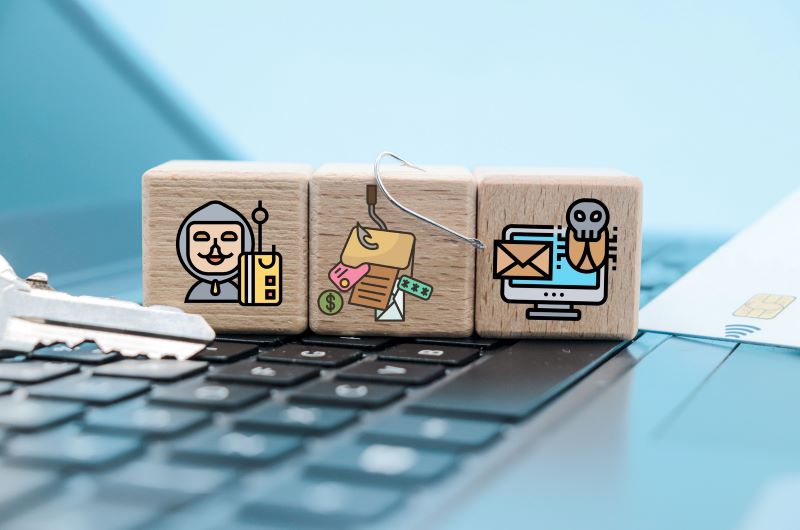
When people think about financial fraud, they often imagine hackers breaking into bank accounts or stealing credit card numbers. In reality, many scams begin with something much simpler: small pieces of personal information that people share every day.
Scammers often gather bits of publicly available information—such as your birthday, phone number, address, or details shared on social media—and combine them to impersonate you or gain access to your accounts. This tactic is known as social engineering, and it’s one of the most common ways fraud begins today.
Criminals frequently use this information to attempt account takeovers, impersonate victims, or create highly targeted phishing messages that appear legitimate.
Understanding how these pieces fit together can help you better protect your personal and financial information.
A Simple Example of How It Happens
Imagine a scammer finds the following details online:
- your full name
- your birthday from a social media post
- your phone number from a public directory
- your employer listed on a professional networking profile
With just that information, they may attempt to call a company and claim to be you, try to reset an online account password, or send a phishing message that appears legitimate.
Because the information they reference is accurate, their request may sound convincing—even if it’s fraudulent.
The Small Details Scammers Look For
Individually, information like your birthday or hometown might not seem sensitive. But when criminals gather several details about a person, they can use them to answer security questions, impersonate someone over the phone, or craft highly convincing scam messages.
Here are some of the most common pieces of information scammers look for:
Birthdays
Your date of birth is frequently used for identity verification. When scammers combine a birthday with a name and address, it can help them bypass certain security checks or attempt identity theft.
Phone Numbers
A phone number can be used for phishing calls, scam text messages, or account recovery attempts. Criminals may also use spoofing techniques to make their calls appear as though they are coming from a trusted organization.
Home Addresses
An address can help scammers verify identity details when contacting financial institutions, utilities, or service providers. It can also be used to create scam messages that feel more personalized and credible.
Social Media Posts
Social media profiles often reveal more information than people realize. Posts about birthdays, family members, travel plans, workplaces, or recent purchases can all provide clues scammers use to craft impersonation attempts.
Where Scammers Find This Information
Much of the information used in scams is surprisingly easy to obtain. Criminals often gather details from:
- social media profiles
- people-search websites and public records
- data breaches involving online accounts
- marketing databases and mailing lists
- online quizzes, surveys, or giveaways
Even information shared years ago can remain accessible online.
Why This Matters More Than You Might Think
Many account security questions rely on personal details such as:
- the street you grew up on
- your first school
- your mother’s maiden name
Unfortunately, much of this information can now be found online or pieced together through social media and public records.
For this reason, relying solely on personal security questions is no longer considered strong protection.
How to Reduce Your Risk
While it’s impossible to eliminate every risk, there are practical steps you can take to limit the information scammers can use.
Review your social media privacy settings.
Limit who can view personal details such as your birthday, contact information, or location.
Be cautious about what you share publicly.
Avoid posting personal information that could be used for identity verification, such as full birthdates, addresses, or answers to common security questions.
Strengthen your account security.
Use strong, unique passwords and enable multi-factor authentication whenever it is available.
Turn on account alerts.
Transaction alerts from your financial institution can help you detect suspicious activity quickly.
Be skeptical of unexpected requests for information.
If someone contacts you claiming to represent a financial institution or government agency, pause and verify the request through official contact channels.
Awareness Is One of the Best Defenses
Scammers rarely rely on just one piece of information. Instead, they gather small details from many places and combine them to build a convincing story.
Protecting your information doesn’t mean you have to disappear from the internet. But being mindful of the small details you share publicly—and strengthening your account security—can make it much harder for criminals to impersonate you or access your financial accounts.
Join Our Upcoming Webinar
If you’d like to learn more practical ways to protect yourself from fraud, join our upcoming webinar:
Scam-Proofing Your Life: Practical Ways to Stay Protected
Wednesday, March 18 at 6:00 PM ET
During this session, we’ll explore common fraud tactics and share simple steps you can take to reduce your risk and strengthen your financial security.
Register Now
Article content is provided for information purposes only.