


Payment App Scams: Why Quickly Sending Money Could Cost You Everything
Published: April 5, 2026
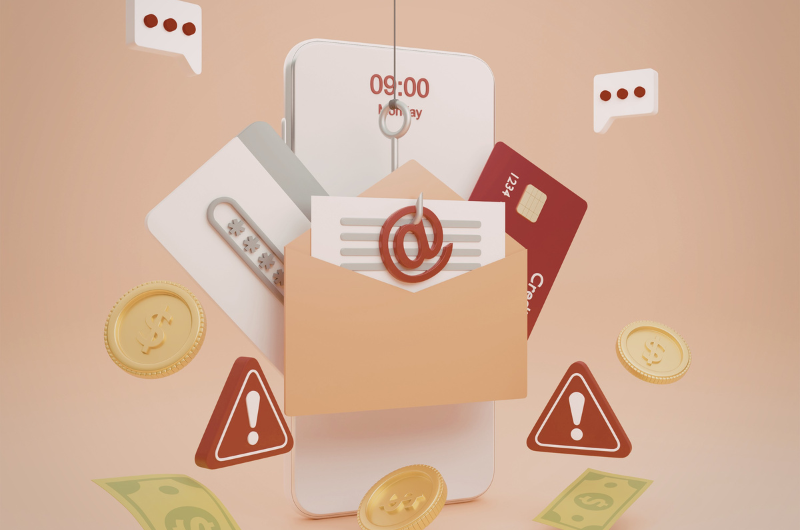
Sending money has never been easier. Whether you’re using Zelle, peer-to-peer (P2P) apps, or ACH transfers, a few taps can move money in seconds.
But scammers also take advantage of that same convenience.
The Scam Is Simple, and That’s the Problem
Payment app scams usually start with urgency. You might get a message like:
- “I accidentally sent you money—can you send it back?”
- “I need help right now, please send this ASAP.”
- “Your account is at risk—transfer funds immediately to secure it.”
These messages seem real and urgent. That’s exactly what scammers want.
Scammers count on you feeling pressured so you act without thinking.
Why These Transfers Are So Hard to Reverse
Many people don’t realize this:
Once you send money through apps like Zelle or via an ACH transfer, it’s often gone for good. However, if you act quickly after realizing you may have sent money to a scammer, contact your bank or the payment app immediately to report the transaction. Sometimes, fast action can help stop or recover the payment.
Unlike credit card transactions, these payments are:
- Instant or near-instant
- Authorized by you (even if you were tricked)
- Not designed for purchases or buyer protection
So if you send money to a scammer, you usually can’t get it back.
The “Send It Back” Trick
One of the most common scams right now goes like this:
- A scammer sends you money (sometimes from a stolen account).
- They message you claiming it was a mistake.
- They ask you to send the money back.
It might seem harmless.
But here’s what really happens:
- The original transfer gets flagged as fraud and reversed.
- The money you “sent back” came from your real account.
- You end up losing your own money.
Red Flags to Watch For
If you notice any of these signs, stop right away:
- Messages creating urgency or panic
- Requests to send money to someone you don’t know
- Someone is asking you to “fix” a payment mistake.
- Requests to move money to “protect” your account
- Payment instructions that feel rushed or secretive
If something doesn’t feel right, trust your instincts.
How to Protect Yourself
A few simple habits can help you avoid stress and save money:
- Only send money to people you personally know and trust
- Double-check usernames, emails, and phone numbers
- Never send money under pressure or out of fear.
- Don’t return unexpected payments. Instead, immediately contact both your financial institution and the payment app’s customer support. This helps make sure all parties are aware of the situation and can take steps to protect your account.
- Enable account alerts to spot unusual activity quickly. Take advantage of your app’s security settings by enabling two-factor authentication, which adds an extra layer of protection when signing in or sending money. Many apps also let you set transaction limits, so you can control how much money can be sent at one time. Adjust these settings in your account for more control and greater peace of mind.
What to Do If You’ve Been Targeted
If something feels wrong or you think you’ve already sent money:
- Contact your financial institution immediately. Report the transaction through the app.
- You can also report scams to the Federal Trade Commission (FTC) at ReportFraud.ftc.gov or to your local authorities if needed. Monitor your account for any unusual activity.
- Change your passwords if needed.
The sooner you act, the more likely you are to limit the damage.
Convenience is helpful, but it also means you need to be careful.
If someone is pushing you to send money quickly, pause and think. Real businesses, banks, and friends won’t pressure you this way.
Taking a moment before sending money with payment apps can save you a lot of trouble.
Article content is provided for information purposes only.