



Unclaimed Property: What's Real and What's a Scam
Published: April 10, 2026
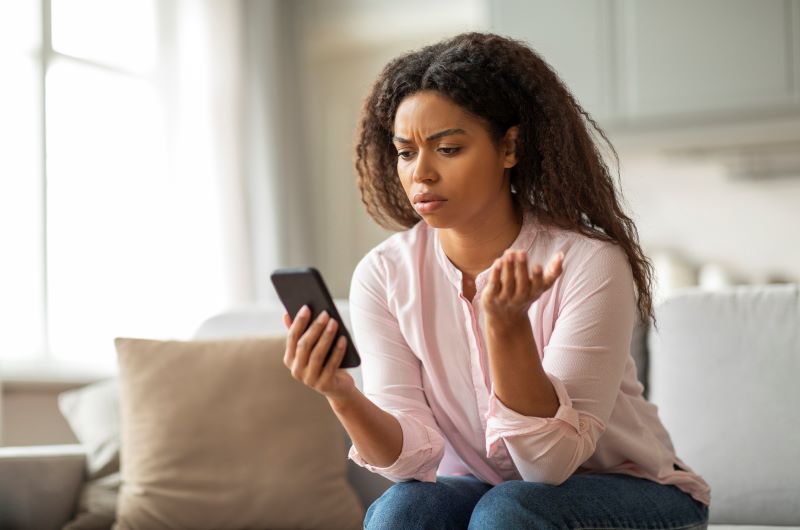
Hearing that money might be waiting for you can be exciting—especially if it comes as a surprise.
But messages about “unclaimed funds” aren’t always what they seem. Scammers often use this idea to get your attention, hoping you’ll act quickly before taking the time to verify what’s real.
Here’s how to tell what’s real, what’s not, and how to check safely.
Yes—Unclaimed Property Is Real
Before we talk about the scam, it’s important to understand why it works.
States do sometimes hold money or assets that belong to people who haven’t claimed them. This is called unclaimed property, and it can include things like:
- Forgotten bank accounts
- Uncashed checks (like payroll or refunds)
- Insurance payouts
- Utility deposits
- Stocks or dividends
So yes—there could be money out there with your name on it.
And that’s exactly what scammers are counting on.
Why This Scam Works So Well
Scammers take that small piece of truth and build a convincing story around it.
They may contact you pretending to be from a government agency, using official-sounding names. To get your attention, they might:
- Mention a specific dollar amount to make the claim feel legitimate
- Say your claim is about to expire
- Offer to “help” you recover the funds quickly
It sounds legitimate—but it’s designed to create urgency so you act before taking time to verify.
One of the Biggest Red Flags: You Didn’t Initiate It
Here’s one of the simplest ways to spot this scam:
If you didn’t search for unclaimed money first, assume it’s a scam.
Legitimate unclaimed property programs don’t contact you out of the blue. The process starts with you.
Red Flags to Watch For
If you receive a call or text about unclaimed funds, watch for these warning signs:
Pressure to act immediately
If they say time is running out or they’ve extended a deadline just for you, they’re trying to rush you.
Requests for personal information
No legitimate program will ask for sensitive details like your Social Security number or bank account information through an unexpected call or text.
Upfront fees
If you’re asked to pay a “processing” or “release” fee, it’s a scam.
Links or phone numbers sent in the message
Never click links or call numbers provided in the message. Always go directly to a trusted source yourself.
The Difference Between a Real Claim and a Scam
Unclaimed property is real—but the way scammers present it is not.
Legitimate unclaimed property programs:
- Don’t contact you unexpectedly
- Don’t pressure you to act immediately
- Don’t charge you to search for or claim funds
Scammers rely on urgency and excitement—hoping you’ll respond before you verify.
How to Check for Unclaimed Money Safely
If you want to see whether you actually have unclaimed funds, do it the right way.
Start with the National Association of Unclaimed Property Administrators, which connects you to official state programs.
From there:
- Search your name
- Review any matches
- Follow official instructions to claim funds
No middleman. No fees. No pressure.
The “Pause Rule” That Can Protect You
Scams like this are designed to trigger excitement and urgency.
Before you respond, follow this simple rule:
If it creates urgency or excitement—pause and verify first.
What to Do If You Get One of These Messages
If you receive a suspicious call or text:
- Don’t click links
- Don’t call the number provided
- Don’t respond
- Don’t share personal information
Instead, report it to the Federal Trade Commission at ReportFraud.ftc.gov.
Stay One Step Ahead
Scammers want you to react before you think.
The best response is to slow down, verify independently, and stick with trusted sources.
If it’s real, it will still be there when you verify it.
Article content is provided for information purposes only.