
Fake Influencer & Partnership Scams: When the Collab Isn't What It Seems
Published: April 23, 2026
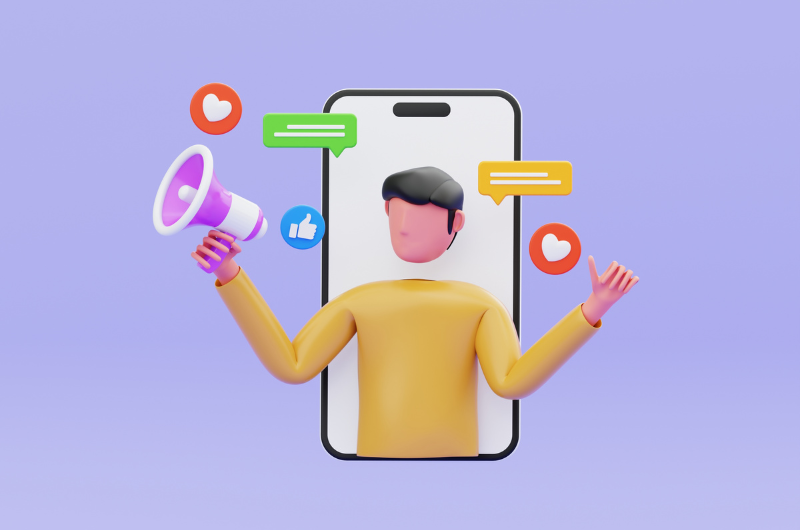
Scrolling through your DMs and—wait—a brand wants to collaborate? Free products, paid partnership, maybe even a “long-term ambassadorship”? It sounds like a dream… until it’s not.
Fake influencer and partnership scams are becoming increasingly common and target everyone—from up-and-coming creators to small business owners. If you have any kind of social presence, even a small one, you’re on their radar.
Now, let’s break down how these scams work—and most importantly, how to avoid getting played.
What Is a Fake Influencer or Partnership Scam?
This scam usually starts with a message that feels exciting and legit:
“Hi! We love your content and would love to collaborate…”
But instead of a real opportunity, it’s a setup to get your money, personal info, or even access to your account.
Scam artists often pose as:
- Well-known brands
- PR agencies
- Startup companies are looking for “brand ambassadors.”
And scammers are getting better at making things look real.
Common Red Flags to Watch For
Not every collab is a scam—but here’s what should cause you to pause:
- You have to pay to participate.
If they ask you to pay for shipping, “starter kits,” or discounted products upfront—it’s a no. Real brands pay you, not the other way around.
- Vague or excessively generic messaging
Messages like “Dear creator” that don’t mention your actual work? That’s a copy/paste scam vibe.
- Too-good-to-be-true offers
If you get offered high pay for barely any work, especially with a smaller following, it’s a red flag.
- Suspicious email domains or accounts
A message claiming to be from a major brand but sent from a Gmail or slightly misspelled handle is a major red flag.
- Pressure to act fast
“Limited spots available” or “respond within 24 hours” tactics are meant to rush you into skipping basic checks.
How the Scam Actually Works
Here’s the typical playbook:
- You get the offer
- They hype you up (“we LOVE your vibe!”)
- They ask you to pay for something (product, shipping, membership)
- You send the money… and never hear from them again.
In some cases, they’ll send phishing links to “onboard” you—stealing your login info and potentially taking over your account.
How to Protect Yourself
You don’t have to ignore every opportunity—just vet them smarter:
Do your research
Look up the brand independently (don’t rely on the link they send). Check their official website and social accounts.
Verify the contact
Legit brands almost always email from their company domain, not a random Gmail address.
Never pay to collaborate.
This is the golden rule. If money is leaving your account, it’s not a real partnership.
Check past partnerships
Check who they’ve partnered with before. Real brands have a history you can find online.
Trust your gut
If something feels wrong, it probably is.
What To Do If You’ve Been Targeted
If you think a message is a scam:
- Don’t respond or click any links.
- Report the account on the platform.
- Block the sender
If you’ve already sent money or info:
- Contact your bank or credit union immediately.
- Change your passwords (especially email and social accounts)
- Activate two-factor authentication
Getting noticed as a creator should feel exciting—not stressful. And while real opportunities do exist, scammers are counting on that excitement to catch you off guard.
Stay cautious, stay curious, and remember:
If a collab starts with you paying… It’s not a collab—it’s a scam.