

New vs. Used: Which Is Better for Your Next Adventure?
Published: April 1, 2026
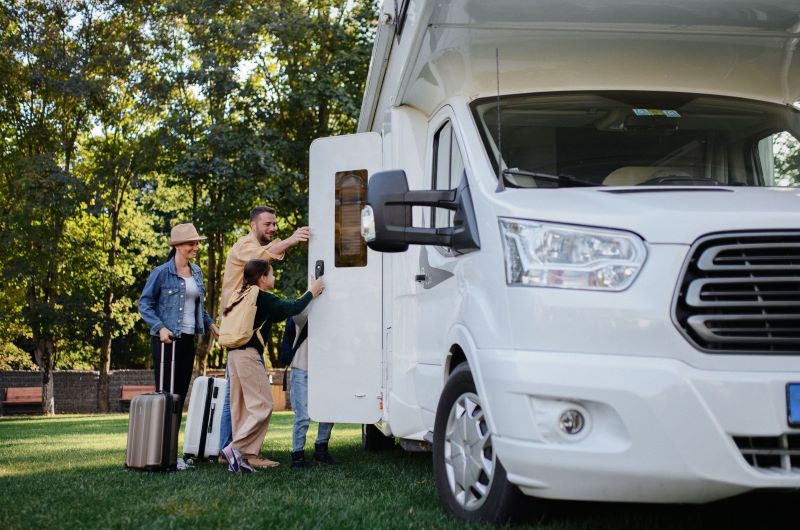
Thinking about buying a motorcycle, RV, boat, ATV, or other recreational vehicle? One of the first decisions you’ll face is whether to buy new or used—and that choice impacts more than just the price tag.
From depreciation to financing to long-term ownership costs, understanding how these factors work together can help you make a smarter, more confident decision.
The Appeal of Buying New
Buying new often means getting the latest features, technology, and peace of mind.
Why some buyers choose new:
- Manufacturer warranties may cover repairs for the first few years
- You know the vehicle’s full history from day one
- Access to the newest features and upgrades
- More options to customize
However, those benefits come at a cost—especially in the early years of ownership.
Understanding Depreciation (and Why It Matters)
New recreational vehicles tend to lose value the fastest early on.
In many cases, motorcycles, boats, and RVs can lose 15%–30% of their value in the first year, depending on the type of vehicle and market conditions, with depreciation slowing over time.
Here’s where it becomes important:
- If you plan to sell or upgrade within a few years, early depreciation can significantly impact your overall cost
- If you plan to keep the vehicle long-term, depreciation becomes less important—and reliability and financing may matter more
The Case for Buying Used
Buying used can offer strong value—especially for recreational vehicles that are lightly used or well maintained.
Why some buyers choose used:
- Lower purchase price
- Slower depreciation
- Ability to afford a higher-end model for the same budget
- Similar functionality for less
Trade-offs to consider:
- Limited or no warranty
- Potential maintenance or repair costs
- Fewer customization options
A professional inspection can help identify hidden issues—but it’s just one piece of the bigger picture.
What Actually Drives the Cost (Most Buyers Miss This)
The biggest mistake buyers make is focusing only on the monthly payment instead of the total cost of ownership.
In many cases, buyers don’t overpay because of the vehicle—they overpay because of how it’s financed and how long they keep it.
Here are the key factors that can shift your decision:
Financing differences go beyond the rate
- New vehicles may qualify for lower rates and longer terms
- Used vehicles may have higher rates, and older models can come with term limits or financing restrictions depending on the lender
- A lower purchase price doesn’t always mean a lower monthly payment
Depreciation vs. maintenance trade-off
- New = higher depreciation, lower maintenance early on
- Used = lower depreciation, but potentially higher repair costs
Ownership costs add up quickly
- Storage (especially for boats and RVs)
- Insurance (often higher for newer models)
- Fuel and seasonal usage
- Ongoing maintenance
A Quick Example: New vs. Used in Real Dollars
Let’s say you’re choosing between:
- New boat: $45,000
- Used boat: $30,000
At first glance, the used option looks like the clear winner—but here’s where it gets more nuanced:
- The new boat may qualify for a lower rate and longer term, helping keep payments manageable
- The used boat may come with a higher rate and potential maintenance costs
Over time:
- The new boat may lose value faster early on
- The used boat may require repairs sooner
Key takeaway:
The lowest purchase price doesn’t always mean the lowest total cost—especially when financing terms and long-term expenses are factored in.
A Simple Way to Compare Your Options
Before you decide, ask yourself:
- How long do I realistically plan to keep this vehicle?
- How often will I actually use it?
- Am I prioritizing lower upfront cost—or long-term reliability?
- What does the total cost look like—not just the monthly payment?
Exploring your financing options ahead of time—including prequalification (when available)—can help you understand what fits comfortably within your budget before you shop. You can also review current leisure vehicle loan rates, terms, and eligibility requirements to compare your options more effectively.
Which Option Is Right for You?
Choose new if:
- You plan to keep it long-term
- You want warranty protection and fewer early repairs
- You value the latest features and customization
Choose used if:
- You want to lower your upfront cost
- You’re focused on overall value
- You’re comfortable managing maintenance and potential repairs
Making a Confident Decision
A little preparation can go a long way. Looking beyond the sticker price—and understanding how depreciation, financing, and ownership costs work together—can help you avoid surprises and choose the option that truly fits your lifestyle.
Ready to Take the Next Step?
If you want to see how these decisions play out in real scenarios, join us for:
Before You Buy: Financing Boats, RVs & Other Leisure Vehicles
Wednesday, April 8 at 6:00 PM ET
Learn how to compare options, plan your budget, and finance with confidence.
Register Now
Financing terms, rates, and eligibility vary based on creditworthiness, vehicle type, and lender requirements.