

Advance Payment or "First Installment" Fraud: What Recent Grads Need to Know
Published: September 22, 2025
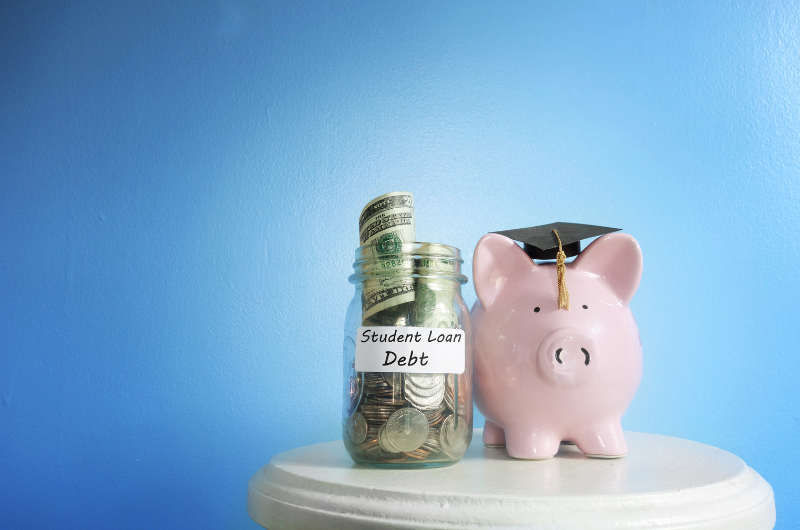
Graduating from college is a huge milestone—but it also comes with new responsibilities, like managing student loan payments. Unfortunately, fraudsters know this is a vulnerable time and often take advantage of recent grads who may be unsure about repayment details. One standard scheme is the advance payment or “first installment” scam.
How the Scam Works
Scammers contact recent graduates—often by phone, email, or text—claiming that a “first payment” is due immediately. They may:
-
Pretend to represent the Department of Education or a loan servicer.
-
Pressure you to send money to a new or “updated” account number.
-
Threaten late fees, penalties, or credit score damage if you don’t pay right away.
The truth? Legitimate loan servicers will never ask you to send a payment to a random account or demand money without first providing your repayment plan details.
How to Protect Yourself
-
Know Your Loan Servicer
-
You can confirm your official servicer by logging into your Federal Student Aid (FSA) account.
-
Only your assigned servicer will provide billing statements and payment instructions.
-
Review Your Repayment Plan
-
Before your first bill arrives, check your repayment start date, monthly amount, and official payment options in your FSA account.
-
If someone demands money before you’ve received official documentation, it’s a red flag.
-
Verify Communications
-
Real servicers will contact you using secure portals, letters, or emails tied to your loan account—not random messages or phone calls.
-
If you’re unsure, hang up and contact your servicer directly through the number listed on your FSA account.
-
Watch for Pressure Tactics
-
Scammers want you to act fast. Legit servicers provide clear due dates and give you time to pay—never same-day ultimatums.
-
Report Suspicious Activity
-
If you receive a questionable payment request, report it to the FSA’s Fraud Department and the Federal Trade Commission (FTC).
Bottom Line
Your first student loan payment is an important step in managing your financial future. Don’t let scammers take advantage of this moment. Always confirm your servicer, verify your repayment plan, and remember: if the request doesn’t match what’s in your FSA account, it’s not legitimate.
Article content is provided for information purposes only.